Search Icon Search site

Search

‘I’m An Innocent Man,’ Shooting Defendant Claims Frustrated With Lawyer

A shooting defendant proclaimed his innocence and expressed frustration with his counsel in a hearing before DC Superior Court Judge Neal Kravitz on March 6.

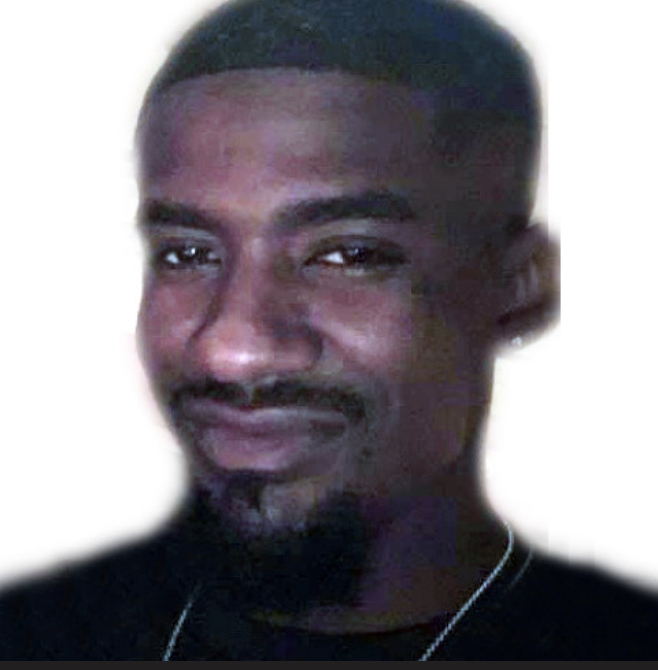
Mario Kirksey, 36, is charged with assault with intent to kill while armed, assault with a dangerous weapon, assault with significant bodily injury while armed, three counts of possession of a firearm during a crime of violence, and unauthorized use of a vehicle. The charges stem from his alleged involvement in a non-fatal shooting that injured one victim on the 1300 block of Okie Street, NE on Feb. 28, 2024.

At the hearing, before parties addressed the matter of appointing new counsel for Kirksey, and he asked for the prosecution’s contact information and said, “I’m not being treated fairly.”

“I’m an innocent man, nobody’s fighting for my justice,” Kirksey said, frustrated by his belief that he did not have a defense attorney that would “fight for [him].” 

Kirksey’s newly appointed defense attorney, Kevin O’Sullivan, said he had only recently been notified of his appointment to this case, and would work to meet with Kirksey as soon as possible to get caught up.

Kirksey also said he did not want to delay the trial past the currently scheduled date of June 29, but Judge Kravitz told him that if he wanted new counsel, he would have to accept a delay. If Kirksey wanted to keep the current date, he would have to keep his current attorney, Terrence Austin, said Judge Kravitz. 

Kirksey reiterated his request for the prosecution’s contact information and said he wanted to write to them about what he’s experiencing. Judge Kravitz advised against this and suggested that Kirksey meet with O’Sullivan before deciding whether he wanted to reach out to the prosecution. The judge encouraged Kirksey to keep an “open mind” until he could meet with O’Sullivan.

Throughout the hearing, Kirksey spoke over Judge Kravitz about his frustrations, and had to be removed from the courtroom by US Marshals until he was willing to cooperate. Later O’Sullivan said on Kirksey’s behalf that he did not mean any harm, and that he was “just going through a lot.”

Judge Kravitz reiterated that Kirksey needed to make a decision about which counsel and which trial date he wanted, and said he expected an update on the matter by the next hearing.

Parties are scheduled to reconvene on March 17. 

Jail Schooling Delays Sentencing

DC Superior Court Judge Neal Kravitz delayed sentencing for a homicide defendant so that he could finish high school at the DC Jail in a hearing on March 6. 

On April 24, 2025, Caleb Padilla, 20, pleaded guilty to voluntary manslaughter while armed for his involvement in the fatal shooting of 31-year-old Damion Hill on Dec. 30, 2024 on the 1800 block of Benning Road, NE. 

According to court records, Padilla is in school at the DC Jail, which allows his sentencing to be delayed following the plea agreement. 

At the hearing, Padilla’s defense attorney, Molly Bunke, as well as a special education attorney from the Public Defender Service (PDS), Nakisha Winston, reported that Padilla was doing well in school and is set to graduate in July, although an exact date was not confirmed. 

Upon suggestion from the prosecution, Judge Kravitz set another hearing on Padilla’s progress in school before they proceed with sentencing. 

Parties are slated to reconvene on May 22. 

Judge Questions Legality of Prosecutors’ Cell Phone Search

DC Superior Court Judge Neal Kravitz challenged prosecutors on the admissibility of cell phone data during a motions hearing on March 4.

Jaime Macedo, 24, is charged with robbery while armed, two counts of possession of a firearm during a crime of violence, felony murder while armed, and unlawful possession of a firearm with a prior conviction. The charges stem from his alleged involvement in the fatal shooting of 25-year-old Maxwell Emerson, which occurred on the 600 block of Alumni Lane, NE, on July 5, 2023. 

Parties argued a motion to suppress cell phone data that was collected from Macedo’s iPhone using an allegedly invalid warrant. During the hearing, prosecutors argued that the signed warrant gave police the authority to search data on Macedo’s phone by attempting to establish probable cause.

The prosecution stated that it wanted to find information regarding his relationship with Emerson, as well as anyone else involved in the incident. Prosecutors were also hoping to use GPS data from the phone to prove that Macedo was likely on the scene during the incident.

Since the defendant is allegedly seen holding and using his phone before, during, and after the shooting, prosecutors said police have probable cause to search the data on Macedo’s phone. 

According to Judge Kravitz, the Metropolitan Police Department (MPD) detective who had written the warrant in question had previously failed to get the warrant signed, only succeeding after making minor changes and asking a different judge for a signature.

Judge Kravitz stated that it appears the detective didn’t put much effort into the warrant and was using the same template when drafting different warrants; “cherry picking” information. 

These deficiencies, according to the judge, call into question the validity of the search warrant, which could have been signed by mistake.

Throughout the hearing, parties discussed the impact of the “Burns decision,” a 2020 DC Court of Appeals ruling that narrows the scope of police interpretations of judicial warrants in regard to searching cell phone data. 

On rebuttal, defense attorney Jessica Willis claimed that the prosecution was restrained by Burns which held, “Mr. Burns’s convictions therefore must be reversed unless they were ‘surely unattributable’ to the erroneous admission of his cell phone data.”

Parties are scheduled to meet on March 9, where Judge Kravitz will decide whether or not the cell phone data is admissible.

February Homicides See Significant Increase From January 

According to D.C. Witness data, there were 10 reported homicide incidents, resulting in eleven victims in February – one of these victims was originally injured in January, but died in February. A significant increase from January’s three intentional killings.

As of March 3, The Metropolitan Police Department (MPD) has identified three suspects among the 10 incidents. There were seven fatal shootings, one fatal stabbing, and two deaths resulting from a vehicle crash.

Tyjuan Bazemore, 35, is charged with second-degree murder while armed for his alleged involvement in the fatal shooting of 27-year-old Nyesha Walden-Hatcher on Feb. 2 on the 3100 block of 16th Street, NW. 

Additionally, Jose Perez, 40, is charged with second-degree murder while armed for his alleged involvement in the fatal stabbing of 37-year-old John Despertt on Feb. 5 on the 2400 block of Virginia Avenue, NW.

According to court documents, Perez allegedly stabbed Despertt in the chest inside Miriam’s Kitchen at Western Presbyterian Church. Perez is scheduled for a preliminary hearing on March. 30. 

On Feb. 11, a murder-suicide occured when Stephon Jeter, 35, fatally shot 34-year-old Rayven Edwards before killing himself on the 4100 block of W Street, NW. A 10-year-old juvenile also sustained gunshot wounds.

According to MPD, Jeter fled the scene with his and Edwards’ three-year-old son and an AMBER Alert was issued. Jeter then dropped his son off at a family member’s residence and MPD found Jeter dead from self-inflicted gunshot wounds. 

MPD is currently offering a reward for information on the unsolved cases. 

February 2026 Homicides in Washington, DC (Symbol map)

Judge Sentences Repeat Shooter, Says, ‘Lucky’ No One Was Killed

A repeat offender in a non-fatal shooting was sentenced by DC Superior Court Judge Errol Arthur on March 5 after accepting a plea deal.

Thomas Carter, 27, was convicted of assault with a dangerous weapon and possession of a firearm during a crime of violence due to his involvement in the non-fatal shooting of an unidentified victim on the 2300 block of Washington Place NE on Sept. 24, 2025. This is Carter’s third firearm conviction.

Carter should be lucky “no one was hurt or even killed,” Judge Arthur said. He sentenced Carter to three-and-a-half years plus three years supervised release for the assault charge, and 20 months plus three years supervised release for the possession charge. Additionally, the defendant will be registered as a firearm offender in DC for two years after his supervised release ends. All convictions will be served concurrently.

In December, Carter pleaded guilty to both assault with a dangerous weapon and possession of a firearm during a crime of violence. In exchange, prosecutors agreed not to seek indictments on any other charges relating to the incident. 

At sentencing, prosecutors asked Judge Arthur to impose a harsh sentence due to Carter’s criminal record. Additionally, prosecutors highlighted the violent nature of Carter’s actions, firing off 21 rounds in a street lined with businesses and passing cars.

The prosecution requested that the defendant receive 44 months with three years of supervised release for the assault charge, and 20 months with three years of supervised release for the possession charge. 

Defense attorney Justin Okezie didn’t offer excuses for the defendant’s actions, calling them “very concerning.” However, he stated there was context for what Carter did. He felt threatened by a man with whom he had previously been in conflict, Ozezie said. 

Okezie claimed that in instances where the police are not present to protect citizens, people can feel compelled to protect themselves, however necessary. 

According to Okezie, Carter was “extremely remorseful” about the events and never intended to hurt any innocent bystanders.

The defense asked for the lowest range of sentencing possible under the voluntary guidelines.

Carter chose not to comment before the judge made the sentencing decision.

Murder Defendant Won’t Leave Bus to Attend Hearing

US Marshals alerted DC Superior Court Judge Neal Kravitz that a murder defendant arrived at the courthouse but refused to leave the bus for his hearing on March 5. 

Jeremiah Evans, 22, is charged with first-degree premeditated murder while armed and possession of a firearm during a crime of violence for his alleged involvement in the fatal shooting of 18-year-old Khalliqo Ford at the 200 block of K Street, SW on June 15, 2023. 

According to court documents, Ford was found in a parking lot and died from multiple gunshot wounds. Two witnesses reported that the shooting happened after a dispute among themselves, Evans, and Ford. The witnesses said they watched Evans pull Ford into a parking lot, indicated in court documents. CCTV surveillance footage reportedly captured what appeared to be an argument between Evans and Ford, resulting in Evans allegedly raising his weapon and shooting Ford multiple times. 

In court, the parties intended to discuss with Evans his concerns about his lawyer, Stephen LoGerfo, and whether he wanted new representation. However, US Marshals informed the court that Evans wouldn’t enter the courthouse.

Judge Kravitz noted that defendant’s refusals to attend court had become more frequent in his courtroom. LoGerfo agreed, suggesting that the early wake-up call for defendants traveling from the jail might be a deterrent. 

LoGerfo said Evans told him at their last meeting, “Please don’t make me come to court.” 

According to LoGerfo, Evans did not express a desire for him to withdraw as counsel. Judge Kravitz emphasized that Evans needed to be present and convey the information himselfd.

The parties intend to resolve the issue when Evans is present at court. 

Parties are slated to reconvene on March 11. 

‘This Case is Distractions on Top of Distractions,’ Defense Argues in Homicide Trial

A defense attorney argued that prosecutors’ case was only distractions during closing arguments in a homicide trial before DC Superior Court Judge Jason Park on March 5 and 6. 

Christopher Tyler, 48, is charged with first-degree premeditated murder while armed, possession of a firearm during a crime of violence, unlawful possession with a prior conviction, first degree burglary, and attempt to commit robbery while armed for his alleged involvement in the fatal shooting of 34-year-old Nolan Edwards on the 4100 block of Ames Street, NE on July 7, 2023. Edwards was shot in the left arm, thigh, abdomen, and back..

“Nolan Edwards was beloved,” stated prosecutors to begin closing arguments. 

The prosecution claimed the defense “lied” to the jury in their opening arguments about why Tyler went to an apartment building. White claimed Tyler went to pick up his clothes from his friend’s apartment, but the prosecution disputed that no witnesses saw Tyler leaving with clothes.

The prosecution highlighted the testimony of several neighbors in the building. Witnesses saw a suspect running from the apartment complex after they heard shots fired and then heard someone run down stairs, asserted prosecutors.

Prosecutors also highlighted physical evidence found at the crime scene, including the bullets found from two different guns, and blood stains on a box in the apartment. According to prosecutors, the bullets embedded in the wall and on the ground point to Edwards trying to back away from the gun shots. 

The prosecution presented camera footage they said showed the defendant traveling to and from the Ames Street area around the time of the shooting. Prosecutors argued the footage, along with phone records and location data, placed Tyler in the area shortly before and after the homicide.

They also pointed to phone data from the woman who had been with Tyler that day, arguing messages about money and drugs supported their theory that the pair were seeking both before the shooting. Prosecutors told jurors the evidence showed the defendant had “the motive, the means, and the opportunity.”

Defense lawyer Kevann Gardner focused his closing on the burden of proof, reminding jurors that Tyler is presumed innocent unless the prosecution proves his guilt beyond a reasonable doubt.

“You begin in the land of innocence,” Gardner said, arguing the prosecution failed to move Tyler from that position.

Gardner argued there was no clear motive for Tyler to commit the crime and said the prosecution’s theory relied on speculation. He suggested Edwards’ apartment, which was described during trial as a marijuana operation, could have been a target for robbery by others.

He also pointed to surveillance footage shown during the trial, arguing Tyler’s behavior while driving before and after the shooting appeared normal rather than consistent with someone fleeing a violent crime. Gardner noted that Tyler did not attempt to run or hide after the incident.

Gardner criticized the investigation, questioning why the lead investigator did not testify at trial. He argued police focused too quickly on Tyler and failed to meaningfully investigate other possible leads connected to Edwards’ drug operation.

“This case is distractions on top of distractions,” Gardner told the jury.

Gardner claimed there were weaknesses in the forensic evidence. He argued there was no direct physical evidence tying Tyler to the shooting, no witness directly identified him as the gunman, and eyewitness descriptions did not clearly match him.

Gardner questioned prosecutors robbery theory, noting that Tyler and Edwards were neighbors and arguing it would have made little sense for Tyler to rob someone who lived nearby.

Gardner urged jurors to return a verdict of not guilty.

The prosecution rejected Gardner’s arguments during their rebuttal and said the evidence clearly pointed to Tyler.

Referring to Gardner’s remarks about the “land of innocence,” prosecutors told jurors the defense had instead created a “land of illusion,” describing Gardner as a “master illusionist.”

They also pushed back on claims that investigators mishandled the case or ignored other suspects, arguing detectives were expected to pursue leads aggressively.

“Would you want a detective to be passive and let important leads slip away?” the prosecution asked.

Prosecutors also dismissed the defense’s theories about missing or mishandled evidence, including arguments about footprints and a bullet possibly striking Tyler, describing them as speculation unsupported by testimony. They urged jurors to focus on the evidence presented at trial.

“Don’t be blinded by a smoke screen,” prosecutors said.

Without the jury present, Tyler’s attorneys, Gardner and Elizabeth Paige White, motioned for judgement of acquittal. White’s motioned on grounds that there was a lack of evidence presented by the prosecution. White argued that none of the evidence was tangible and it was all circumstantial. She continued with pointing out flaws in witness identifications and no evidence of Tyler possessing a firearm. 

White concluded “grave suspicion is not enough.”

The prosecution agreed the evidence was circumstantial, but said all the evidence pointed to Tyler as the suspect. Prosecutors also said there was evidence Tyler had a gun when entering Edwards’ apartment, and was surprised that Edwards had a gun himself, resulting in the shooting. 

White rebutted that no evidence on the record proved this happened and urged Judge Park to rule for acquittal.

Judge Park stated circumstantial evidence is enough to convict the defendant. He denied the acquittal, asserting that a juror could find Tyler guilty beyond a reasonable doubt.

Parties will reconvene once the jury reaches a verdict.

Stabbing Defendant Pleads Guilty to Felony and Misdemeanor Chargers

A stabbing defendant pleaded guilty to a felony and misdemeanor charge  before DC Superior Court Judge Andrea Hertzfeld on March 5. 

Tara Bellinger, 40, was charged with assault with a dangerous weapon for her involvement in a stabbing on the unit block of Forrester Street, SW on Feb. 10. 

During the hearing Bellinger pleaded guilty to  assault with a dangerous weapon and misdemeanor assault on law enforcement. In return the prosecution agreed not to seek further indictments.

According to the prosecution, the maximum sentence for assault with a dangerous weapon is 10 years in prison and/or a $25,000 fine followed by seven years of supervised release. The misdemeanor assault on law enforcement maximum penalty is 180 days confinement and/or $1,000 fine. 

After determining Bellinger understood her rights and knowingly pleaded guilty, Judge Hertzfeld accepted her guilty plea.

If the case would have proceeded to trial, the prosecution stated that they would be able to prove beyond a reasonable doubt that Bellinger stabbed the victim in the hand when he was restraining her from attacking someone else. Later, when officers placed Bellinger under arrest, she spat on an officer. 

Louis Kamara, Bellinger’s attorney, requested Judge Hertzfeld release Bellinger to a halfway house pending sentencing. Kamara argued that Bellinger has four children, one of whom has special needs, and her only other conviction was ten years ago. 

“I just wanna be there for my son, I need to take care of him,” Bellinger stated. 

The prosecution opposed the release, saying “there’s a lot more to this case.” The attorney argued that placing Bellinger in a halfway house would create a risk for the community because “she could walk out at any point.” 

Judge Hertzfeld denied the request for release. 

Sentencing is scheduled for May 12. 

Teen Pleads Guilty in Carjacking Case

A defendant pleaded guilty to unarmed carjacking, armed robbery, and possession of a prohibited weapon before DC Superior Court Judge Andrea Hertzfeld on March 5. 

Makai Bridges, 17, was initially charged with armed carjacking, three counts of possession of a firearm during a crime of violence, and two counts of armed robbery for his involvement in a carjacking on the 1400 block of Otis Street, NE on May 7. 

Bridges is being tried as an adult under Title 16, a DC law that gives prosecutors the discretion of charging juveniles as adults for certain serious crimes.

During the hearing, Bridges pleaded guilty to unarmed carjacking, armed robbery, and possession of a prohibited weapon. As part of the plea agreement, Bridges also pleaded guilty to simple assault in a different case. In return the prosecution agreed to not bring forward any greater charges and drop any remaining charges. 

According to the DC Sentencing Commission’s Voluntary Sentencing Guidelines, the maximum penalty for unarmed carjacking is 21 years confinement with a minimum of 7 years in prison. Armed robbery holds a maximum of 15 years in prison with a minimum of 2 years confined. The maximum for possession of a prohibited weapon requires 1 year  in prison and the maximum for simple assault is 180 days. 

After finding Bridges understood his rights and knowingly pleaded guilty, Judge Hertzfeld accepted his guilty plea. 

If the case went to trial, the prosecution said they would have proved beyond a reasonable doubt that on the day of the offense Bridges stole the victim’s car keys and car. The car was pulled over by officers because it was reported stolen. During the vehicle stop, officers observed five individuals flee from the scene. 

Defense attorney Joseph Fay asked if Judge Hertzfeld would consider the Youth Rehabilitation Act (YRA) in her sentencing. She stated she will address this at sentencing. 

Sentencing is scheduled for May 11.

Jury Can Determine Video’s Credibility in Shooting Trial, Says Judge

DC Superior Court Judge Rainey Brandt ruled the defense could show the jury video footage of a witness potentially contradicting how she claimed to identify a shooting suspect on March 6.

Derrick Gladden, 55, is charged with assault with intent to kill while armed, aggravated assault knowingly while armed, two counts of possession of a firearm during a crime of violence, unlawful possession of a firearm with a prior conviction, and unlawful possession of ammunition for his alleged involvement in a shooting on the patio of an apartment on the 2300 block of Marion Barry Avenue, SE on April 15, 2024. The victim sustained one gunshot wound.

Without the jury present, Gladden’s attorney, Alvin Thomas, argued in favor of admitting an officer’s body-worn-camera footage of a witness present at the scene. According to Thomas, the video will show the woman telling a police officer she knew Gladden was the shooter because a neighbor had told her so. Thomas said this contradicted a later statement the woman made claiming that she identified Gladden from his voice after hearing him argue with the victim.

Prosecutors argued that the video does not negate her later voice identification and she simply failed to mention hearing the argument at the time. They also noted that, in the video, the woman is speaking through layers of hearsay, citing something she heard from a neighbor that they claimed to hear from a police officer.

Judge Brandt said she would admit the video, not because it served as identification, but to give the jury the opportunity to evaluate it and decide what they believe.

“It would be wrong of me to allow one side of the story to go to the jury,” Judge Brandt said.

In addition, Judge Brandt said the video could demonstrate when the reported fight between Gladden and the victim occurred in relation to the shooting.

Parties are scheduled to reconvene on March 9.

‘Time Isn’t Going to Change Anything’ About Homicide Defendant’s Mental State, Says Defense

Defense attorneys requested that DC Superior Court Judge Todd Edelman find a homicide defendant mentally incompetent to proceed with his case on March 5.

Alberto Valle-Carranza, 56, is charged with first-degree murder premeditated while armed for his alleged involvement in the fatal domestic stabbing of Reyna Garcia Lopez, 31, on the 1200 block of 11th Street, NW on Dec. 19, 2023.

According to court documents, Garcia-Lopez was found unconscious with several stab wounds throughout her body after a domestic disturbance. Valle-Carranza fled the area, was arrested in Michigan City, Indiana and extradited to the District for trial.

The hearing was in regards to Valle-Carranza’s mental competency and whether it can be restored. A defendant must understand the charges against him and have the ability to assist a lawyer in their defense.

Judge Edelman stated that two doctors who testified at a previous hearing agreed there are two main issues regarding facing Valle-Carranza, his hearing ability as well as his communication and language skills.

Valle-Caranza’s attorney, Andrew Ain, argued that “time isn’t going to change anything” and his client is unlikely to ever be restored to competency. Ain based his conclusion on testimony given by a doctor at the last hearing and said Valle-Carranza made no progress since his hearing in December. 

The defense asked for a “Jackson finding,” pursuant to Jackson v. Indiana (1972), that established a defendant could only be held for a reasonable period to determine if they will regain competence in the foreseeable future. If the court ordered a Jackson finding, Valle-Carranza would either be civilly committed or released.

The prosecution disagreed that Valle-Carranze had made no progress, stating that restoring mental competency “just takes time” and determining if he needs a hearing aid would help. 

A forensic psychologist, who attended the hearing remotely said that if Valle-Carranza’s hearing issues are addressed, his communication and language concerns could be partially resolved. She suggested performing an Auditory Brainstem Response (ABR) test to determine if Valle-Carranza needs a hearing aid and what kind of speech therapy would benefit him.

Judge Edelman delayed his decision on the Jackson finding. He requested bi-weekly updates from both parties as well as the forensic psychologist regarding Valle-Carranza’s speech and language therapy and audio progress to keep it “top of mind.”

Parties are scheduled to reconvene on April 24 for another mental observation hearing.

Teen Defendant Accepts Plea Deal for Market Shooting

A young shooting defendant accepted a plea deal before DC Superior Court Judge Todd Edelman on March 6.

Joshua Anderson, 17, was originally charged with assault with intent to kill while armed, assault with intent to murder while armed, and possession of a firearm during a crime of violence for his involvement in a shooting on Nov. 11, 2025 at Kenilworth Market on the 1600 block of Kenilworth Avenue, NE. The victim sustained four gunshot wounds to his shoulder, armpit, and two to his abdomen.

Anderson is charged under Title 16, which allows juveniles to be tried as adults for certain serious offenses.

Todd Baldwin, Anderson’s attorney, said his client accepted a deal from prosecutors that required him to plead guilty to assault with intent to kill and possession of a firearm during a crime of violence. The prosecution agreed not to seek an indictment with additional charges.

The prosecutor said if the case proceeded to trial, they would have proved beyond a reasonable doubt that amid an argument in Kenilworth Market, Anderson pulled out a black handgun with an extended magazine and pointed it at the victim. The victim raised his hands, ran away, and a struggle ensued. Anderson shot the victim four times with the apparent intent to kill him without legal justification.

The assault and possession charges each carry a maximum of 15 years imprisonment. However, prosecutors agreed to request the sentences run concurrently. 

Anderson is also eligible for the Youth Rehabilitation Act (YRA), which allows people under 25 who are convicted of certain crimes to have their convictions sealed or cleared after they successfully complete their sentence and potentially offers sentencing flexibility for the defendant. If granted the YRA, Anderson could receive a sentence below the guidelines. 

Judge Edelman found Anderson entered the plea knowingly and voluntarily with a factual basis.

Anderson’s sentencing is scheduled for May 14.

She was, ‘Messing With Another Man,’ Says Husband of Homicide Defendant’s Lover

The prosecution called the husband of a homicide defendant’s lover along with several other witnesses in a case before DC Superior Court Judge Jason Park on March 4.

Christopher Tyler, 48, is charged with first-degree murder while armed, first-degree murder premeditated while armed, possession of a firearm during a crime of violence, unlawful possession of a firearm, attempt to commit robbery while armed, and first-degree burglary while armed. The charges stem from his alleged involvement in a fatal shooting that occurred in an apartment located on the 4000 block of Ames Street NE on July 7, 2023. Nolan Edwards, 34, sustained four fatal gunshot wounds.

The prosecution first called the husband of Tyler’s former lover. He testified to being the owner of the car his wife and Tyler were in shortly before the shooting. 

The husband also testified about when he learned of the affair. He told the jury that he found evidence on her phone that she was “messing with another man.” The prosecution asked “Did you learn the other man’s name?” He told the jury, “Chris.”

Elizabeth White, Tyler’s attorney, asked the witness if he felt he had anything to do with the case. [I’m]“trying to figure out why I’m here,” he said, agreeing with White that he felt pressured.

Edwards’ downstairs neighbor and friend testified to seeing an old man and woman on multiple occasions trying to gain access to the apartment.

The neighbor also told the jury that on July 7 she was working from home in her room when she heard gunshots, a woman screaming, and a low rumbling sound. She said she called 911. 

Later that day the neighbor called Edwards for more information, “It just rang and the voicemail was full.” “It never occurred to me it was him,” she said of the victim.  

On cross examination, White asked the neighbor about the nature of her relationship with Edwards. She said he had asked her to refer people to him to buy drugs, but she never did. 

Prosecutors called a Litigation Technology Specialist from the US Attorney’s Office to create a video compilation of surveillance footage surrounding the incident that the prosecutors played. 

The video followed a dark SUV, which is presumed to be the husband’s vehicle, over multiple cameras. The SUV eventually parked and a figure emerged, went to a liquor store nearby and returned to the car.

The prosecution selected the videos and gave them to the specialist  to make the compilation. 

According to defense attorney, Kevann Gardner, there was footage from a nearby elementary school that could have been used in the compilation.

Parties are scheduled to reconvene on March 5.

Judge Admonishes Stabbing Defendant to Obey Stay-Away Orders

DC Superior Court Judge Judith Pipe ordered a stabbing defendant to comply with stay-away orders during a probation show cause hearing on Feb. 26.

Manuel Yeager, 41, was sentenced on Jan. 9 to three years imprisonment, all suspended, in favor of one year of probation for assault with a dangerous weapon. The charge stemmed from a stabbing on the 2300 block of Q Street, SE, on June 3, 2025. 

As part of Yeager’s probation, Judge Pipe issued a stay-away that required Yeager to stay-away from his brother and his brother’s house.

According to court documents, Yeager stabbed his brother in the shin after an argument.

During the hearing, Judge Pipe detailed Yeager’s non-compliance. According to the judge, Yeager’s brother called 911 after Yeager went to his house. Judge Pipe told Yeager that the stay-away order applied to his brother as well as his brother’s house.

Judge Pipe discharged the show cause order for non-compliance against Yeager and told him to adhere to his probation requirements.

Parties are set to reconvene on March 9.

Carjacking Defendant Pleads Guilty to Misdemeanor, Receives Time Served Sentence

A carjacking defendant accepted a plea deal and received a sentence of time already served before DC Superior Judge Andrea Hertzfeld on March 5.

Taya Johnson, 27, was originally charged with assault with a dangerous weapon, assault on a police officer, armed carjacking, two counts of possession of a firearm during a crime of violence, and destruction of property $1,000 or more for her involvement in an incident at the intersection of 14th and V Streets, NW on Jan. 16, 2025. 

In an offer from the prosecution, Johnson agreed to plead guilty to misdemeanor destruction of property less than $1,000. In exchange, the prosecution agreed to drop all remaining charges and cap her sentence at time served. 

The prosecution stated that if the case went to trial they would have proved beyond a reasonable doubt that on the date of the offense, Johnson was armed with a knife when she inflicted damage on the victim’s car and slashed the tires. 

After Judge Hertzfeld found that Johnson willingly accepted this plea offer and understood the rights she was giving up to enter this agreement, she accepted the guilty plea. 

The parties proceed directly to sentencing. The victim was notified by prosecutors that they could make an impact statement prior to the hearing, however they were not present. 

The prosecution stated that time served would be an acceptable sentence and Johnson’s attorney Andrew Clarke agreed. Judge Hertzfeld sentenced Johnson to time already served. 

No further dates were set.